
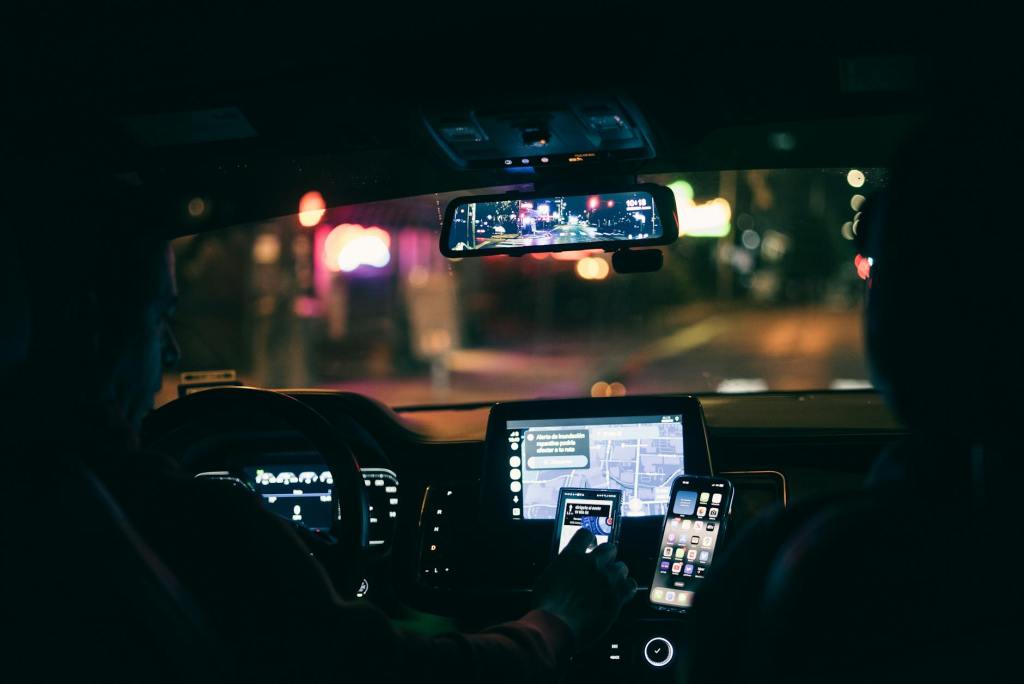
If you’re planning a Walt Disney World trip and debating between rideshare and Disney’s free transportation, the answer isn’t one-size-fits-all.
It depends heavily on where you’re staying, how you like to travel, and how much you value convenience versus predictability.
On our most recent adults-only trip, we stayed off-site and relied almost entirely on Uber and Lyft. After a full week of testing both rideshare and Disney transportation, here’s what actually worked — and what didn’t.
If you’re planning a similar trip, you might also want to read our breakdown of the biggest mistakes we made on our last Disney World trip and our guide on how to survive spring break at Disney World — both played a big role in how we approached transportation this time around.
Why We Chose Rideshare
We visited in March during peak spring break season and stayed at Residence Inn Orlando at Flamingo Crossings.
If you’re considering a similar stay, check out our full review: staying offsite at Disney World: the real pros, cons, and tradeoffs.
The biggest factor in our decision was simple: there was no transportation included.
- No Disney buses
- No Skyliner access
- No hotel shuttle
We looked into renting a car, but between rental costs and hotel parking, it would have been over $1,000 for the week.
Rideshare felt like the most flexible and cost-effective option, so we committed to using it every day.
What We Actually Spent on Rideshare
Cost is one of the biggest deciding factors, and overall, rideshare was more affordable than renting a car—but not insignificant.
- Total rideshare spend: about $450 for the week
- Average ride to/from the parks: about $19
- Airport rides (Sanford): $55–$85 each way
From Orlando Sanford International Airport, pricing fluctuated depending on time of day. An early morning ride was closer to $85, while a peak daytime ride was around $55.
The drive is about an hour, which can feel long at the end of a trip, but skipping the rental car process was a major convenience.
Rideshare vs. Disney Transportation: Quick Comparison
If you’re trying to decide quickly, here’s the side-by-side breakdown:
| Feature | Rideshare (Uber/Lyft) | Disney Transportation |
| Cost | ~$15-$25 per ride | Free |
| Convenience | Mostly direct | Fixed routes |
| Wait Time | ~5-15 minutes | Can be longer at peak times – upwards of 20+ minutes |
| Comfort | Private, relatively quiet | Shared, can be crowded |
| Reliability | Can vary by driver | Very consistent |
| Flexibility | High, but requires booking | High within Disney bubble |
| Experience | Somewhat transactional | Themed and slightly immersive |
This is where the tradeoff became clear to us: we were paying for comfort and control vs. saving money with a more structured system.
Where Rideshare Worked Well
Rideshare consistently delivered on convenience and comfort, especially compared to waiting for buses.
Even when the app showed a 10+ minute wait, drivers often arrived sooner. More importantly, every ride was direct — no extra stops, no standing in line, and no guessing when the next bus would arrive.
The biggest advantages:
- Direct transportation to parks, resorts, or Disney Springs
- Shorter perceived wait times compared to buses
- A quiet, private space after long park days
- Easy access to resort dining and bar hopping
For an adults-only trip, that last point made a noticeable difference. Being able to step away from the crowds, even briefly, added a level of comfort that Disney transportation doesn’t always provide.
The Best Hybrid Strategy We Found
We didn’t rely exclusively on rideshare once we were on Disney property.
Instead, the most effective approach was combining both systems.
- Use rideshare to get to a central hub like Disney Springs
- Then switch to Disney transportation to reach resorts or parks
We also used this strategy at night:
- Take Disney transportation away from crowded park exits
- Then call rideshare from a nearby resort
This often saved money and avoided the most chaotic pickup areas, even if it took a little longer getting to a resort via bus or Skyliner.
As a bonus, we would sometimes be at the resort before the lounges would close up for the evening, and we would have a little nightcap before heading back to Flamingo Crossings. If you’re interested in Disney lounges, check out our list of the best lounges at Disney World.
The Downsides of Rideshare at Disney World
While rideshare was convenient, it came with tradeoffs. Was it a deal breaker?
Inconsistent driver experience
Not every ride felt the same. Some drivers were great, while others were overly aggressive or rushed. One early morning airport ride felt unsafe due to driver fatigue.
Let me reiterate – if you ever feel unsafe in a vehicle with someone else, please ask them to pull over to a safe location and find another ride. We learned the hard way that dangerous drivers can make or break an experience.
Confusing pickup locations
Pickup areas vary by park and aren’t always intuitive.
- Animal Kingdom was the easiest
- EPCOT and Magic Kingdom required more navigation, especially at busy times
After a long day, figuring out exactly where to go can be frustrating. While we didn’t use pickup at Hollywood Studios, we had several guests asking us where they were located.
Less flexibility than having your own car
Although we saved money, we gave up some control. For someone who likes to be in control (aka, me) it was a little daunting every night.
For some reason, I didn’t mind getting picked up. It was just getting home that always felt the most stressful!
- Every trip had to be booked
- Timing depended on driver availability
- No ability to leave instantly
It’s convenient, but not as seamless as having your own vehicle. Still, we were saving nearly $140 for the week in hotel parking…
Where Disney Transportation Was Better
Once we were on property, Disney transportation offered a completely different experience.
It’s not always faster, but it is consistent.
- Clearly marked pickup and drop-off locations
- Friendly drivers and onboard announcements
- No additional cost
- A more immersive “Disney bubble” feeling
The biggest downside is crowding, especially at the end of the night. Buses, boats, and monorails can all have long waits during peak times.
If you’re planning a busy-season trip, this is where understanding crowd strategy matters—something we break down more in our how to survive spring break at Disney World guide.
Which Should You Use?
After a full week of using both, the answer comes down to where you’re staying and how you prefer to travel.
Rideshare makes the most sense if:
- You’re staying off-site (especially in areas like Flamingo Crossings)
- You want a quieter, more private experience
- You don’t mind some unpredictability
- You’re traveling as adults and prioritizing comfort
Disney transportation is the better choice if:
- You’re staying on property
- You want to minimize costs
- You prefer a consistent, structured system
- You don’t mind crowds or shared transportation
Rideshare at Disney World is a practical and often cost-effective solution for off-site stays, especially for adults looking for a quieter and more flexible experience.
But if you’re staying on property, Disney’s free transportation is hard to beat — and in most cases, it’s the option you’ll use the majority of the time.
For our next few trips we’ll be staying on property. We’ll likely be utilizing Disney transportation as much as possible; however, there might be times where we want to splurge a little bit. :)
 Adulting WDW Style
Leave a comment